InferCare Series

InferCare®  RECIST

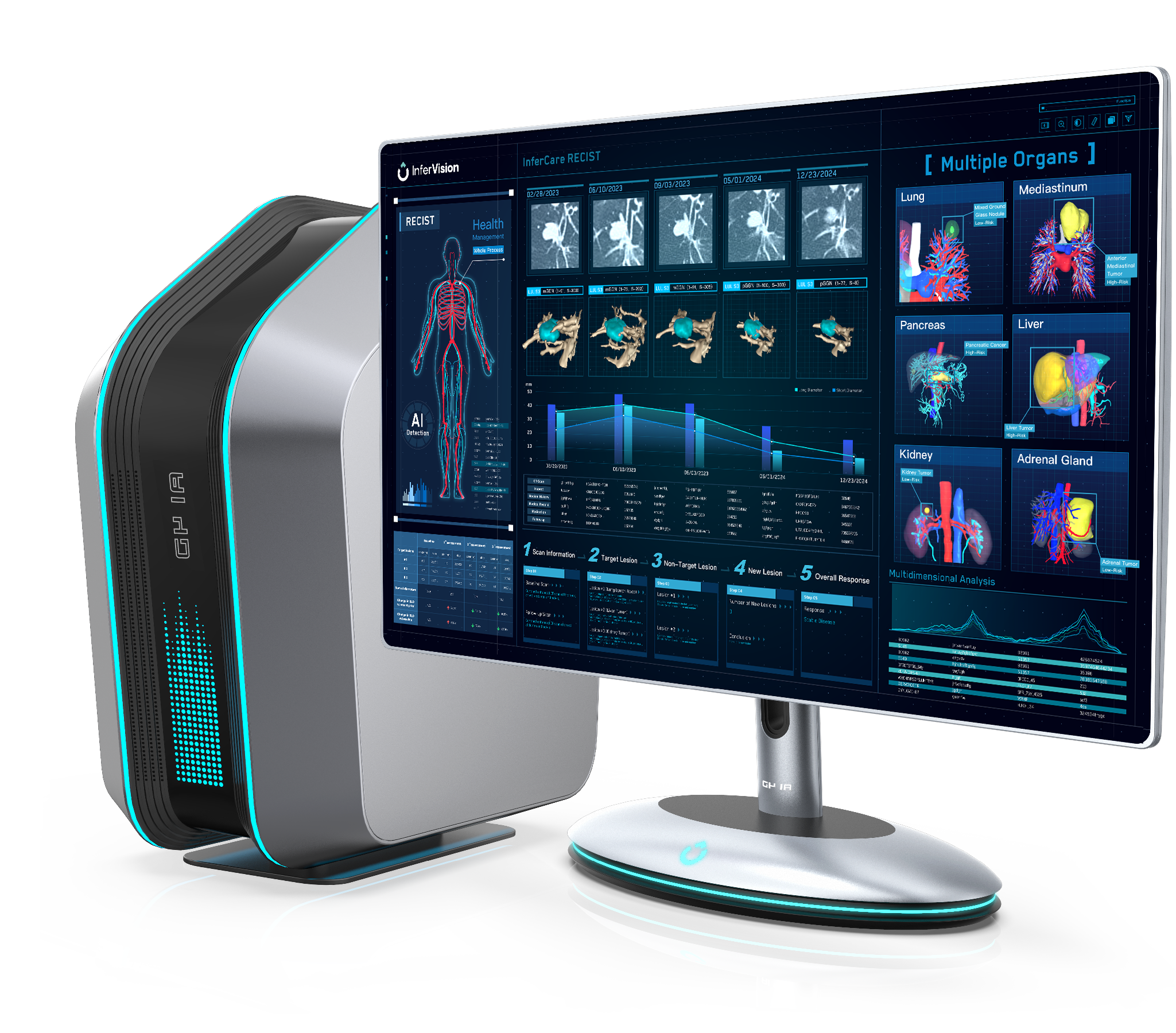
Enables efficient longitudinal tumor assessment through AI-powered lesion tracking, measurement, and
RECIST evaluation

InferCare RECIST is an AI-powered medical imaging
solution that helps oncology teams efficiently analyze
imaging over time. It is built to assist radiologists and
oncologists in tracking tumor progression and response
to treatment consistently and efficiently

XXX

Thoracic Surgeon, Uniclinic Freiburg

simonmed医院的Case video后续迭代

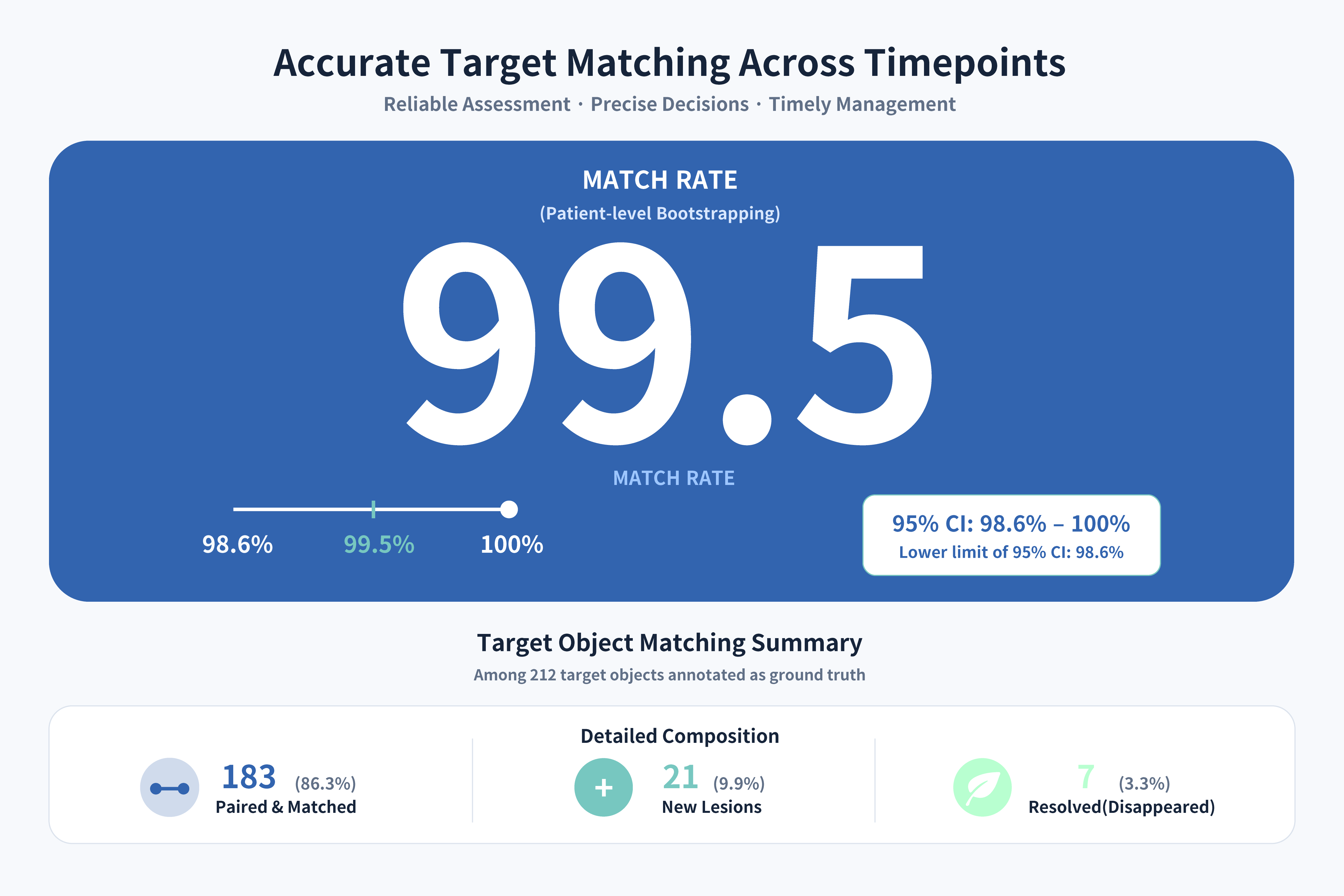
Accurate Target Matching Across Timepoints

Source: Performance validation data reviewed as part of the U.S. FDA 510(k) clearance process
Faster Multidimensional Analysis
AI-powered multidimensional lesion analysis enabling clinicians to assess tumor changes from multiple perspectives—such as diameter and volume—for a more comprehensive evaluation.
Easier Longitudinal Tracking
AI-empowered automated lesion comparison across multiple time points for clear visualization of disease progression or treatment response.
Structured Insights, Informed Decisions
Efficient generation of reproducible, image-rich response assessments with automated lesion tracking and structured reports, helping oncologists make confident, data-driven decisions
Better Patient Care
Seamless integration with hospital information systems via standard DICOM and HL7 interfaces, enabling structured and systematic management of oncology data across the continuum of care.
Automated Longitudinal Tracking
Step 1: When a patient undergoes a follow‑up scan, the current and prior studies are automatically sent to InferCare RECIST for analysis. 
Step 2: InferCare RECIST performs automated lesion detection, segmentation, and measurement, ensuring consistent and reproducible quantification across studies. 
Step 3: The system automatically co‑registers each lesion throughout all available scans for the patient. Compared with the traditional workflow—where radiologists must open multiple studies side‑by‑side, locate the same nodule, and repeat measurements—InferCare RECIST significantly reduces workload and time required for RECIST 1.1 evaluation.
Step 4: InferCare RECIST then generates a structured report that includes selected target lesions, non‑target lesions, and any newly identified lesions, along with the corresponding RECIST response category.
Clinical Values
Radiologists
Streamlined workflow to save time and minimize variability in lesion reporting.
Oncologists
Clear and consistent tracking of treatment response over time to support informed clinical decision-making.
Surgeons
Close monitoring of neoadjuvant treatment response to assess opportunities for curative surgery

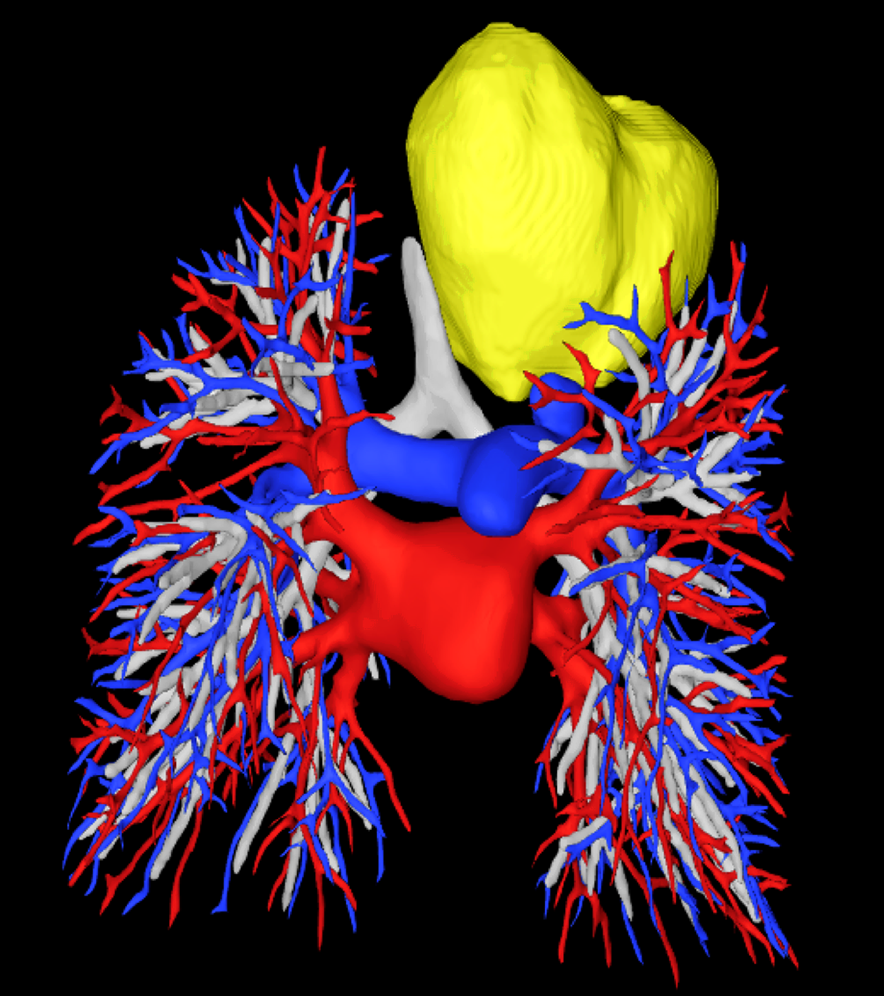
Preoperative planning applicable to major surgical procedures related to lung cancer

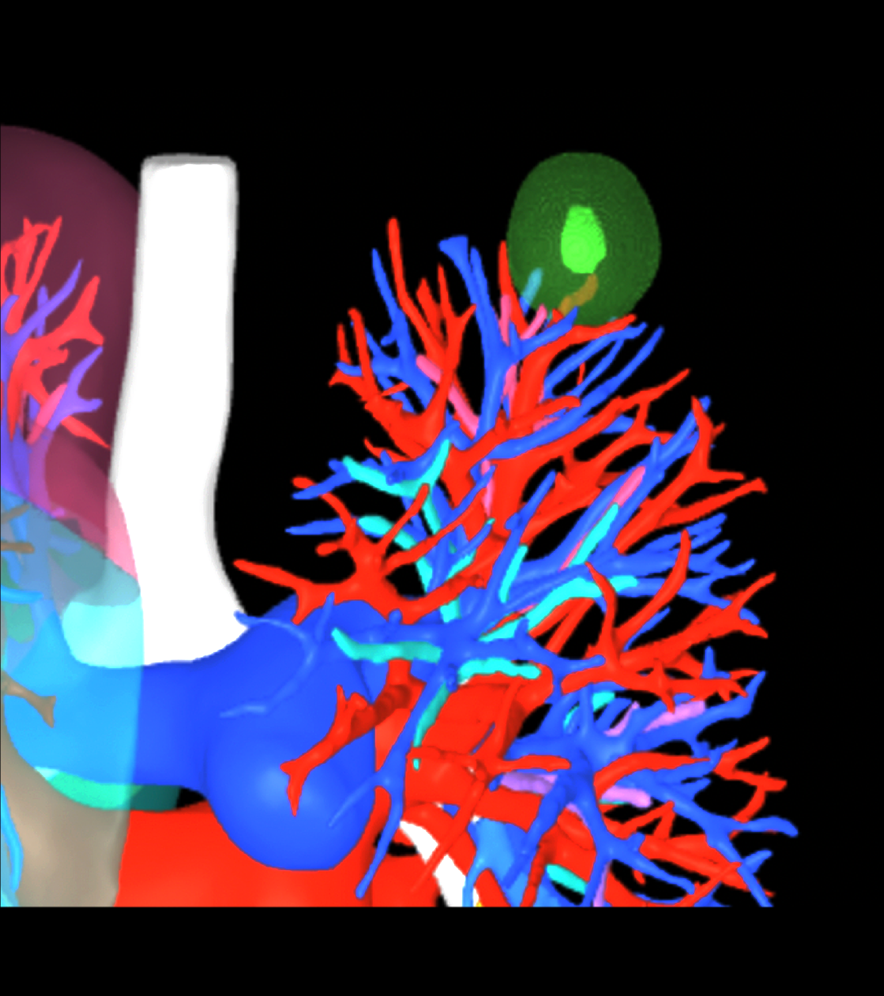
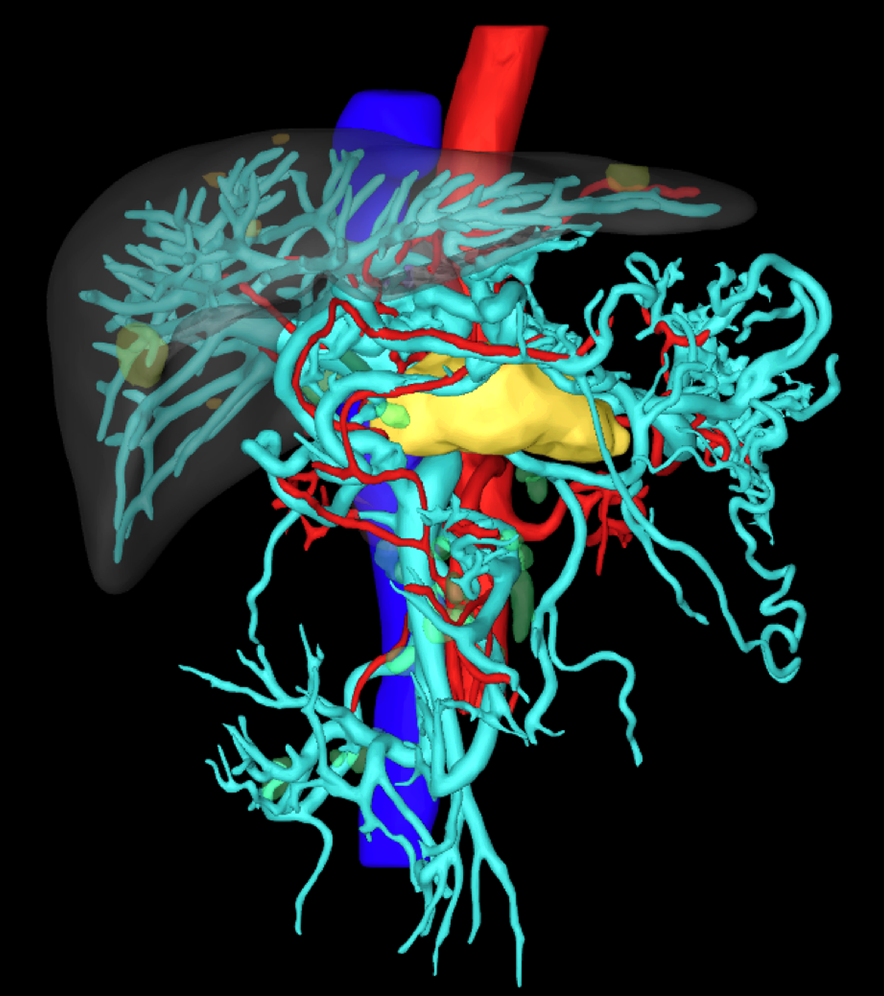
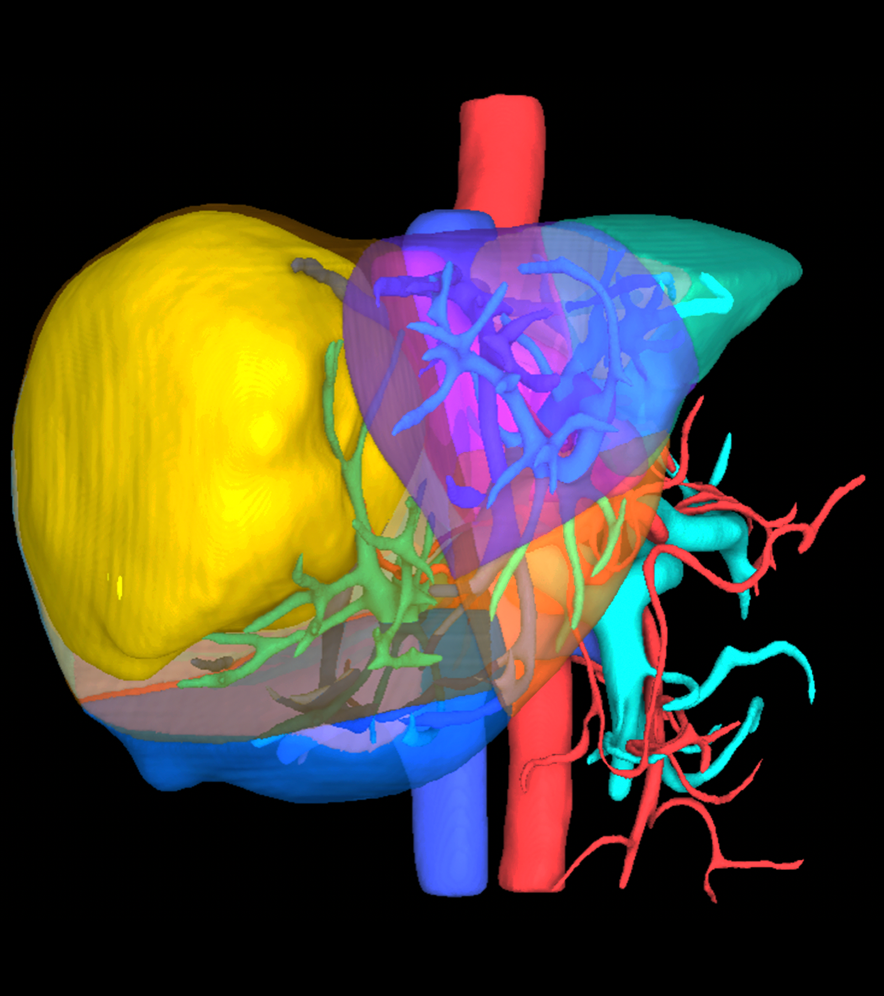
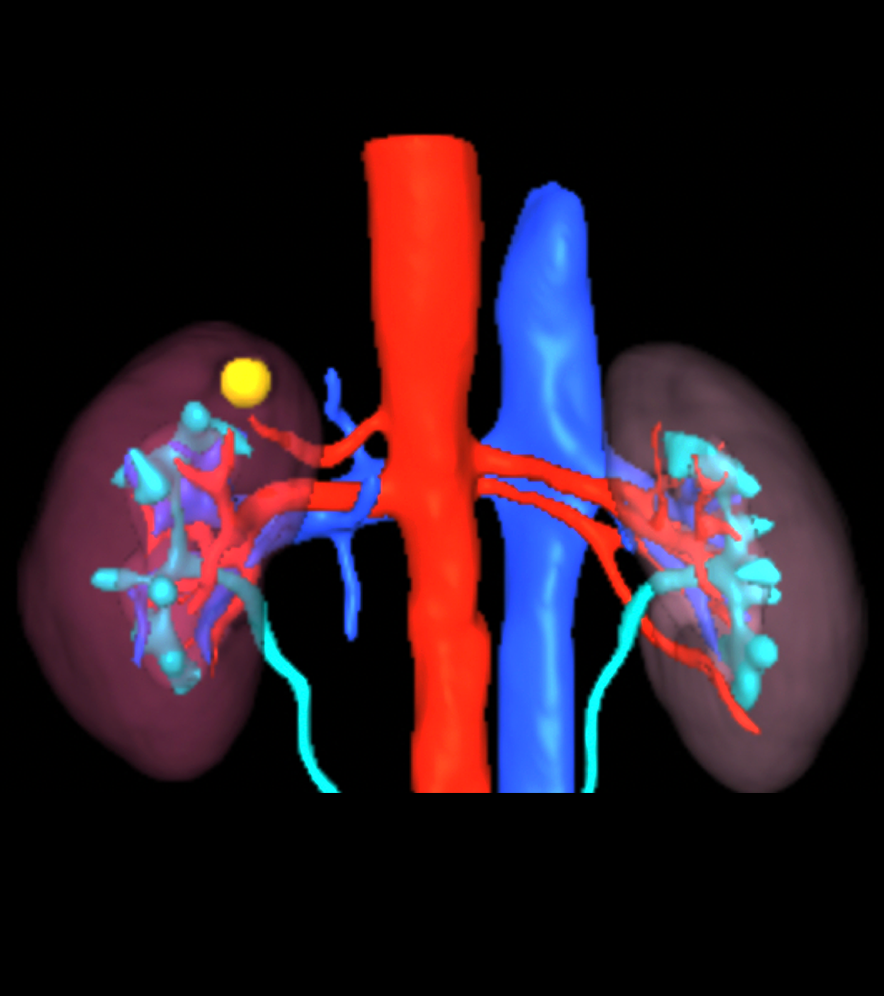
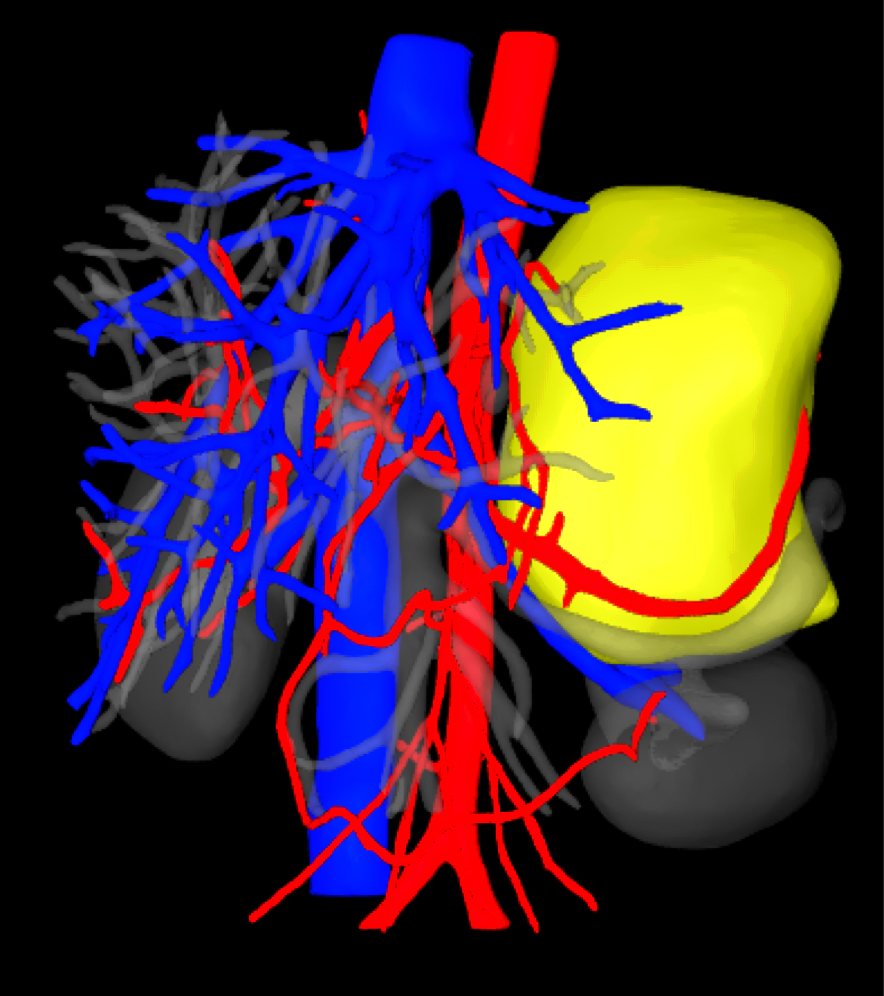
InferCare RECIST is built in accordance with RECIST 1.1, which requires the evaluation of up to five target lesions, with no more than two target lesions per organ. To support radiologists in this workflow, InferCare RECIST automatically detects, segments, and co‑registers lesions across the liver, kidney, and lung—three of the most common organs involved in measurable solid tumors.
Newsroom

Latest Customer Stories

Get Started with Our Solutions Today

Schedule a live demo and try our solutions